The Language of Texture: How Artists Use Surface to Express Themselves
Feb 21, 2026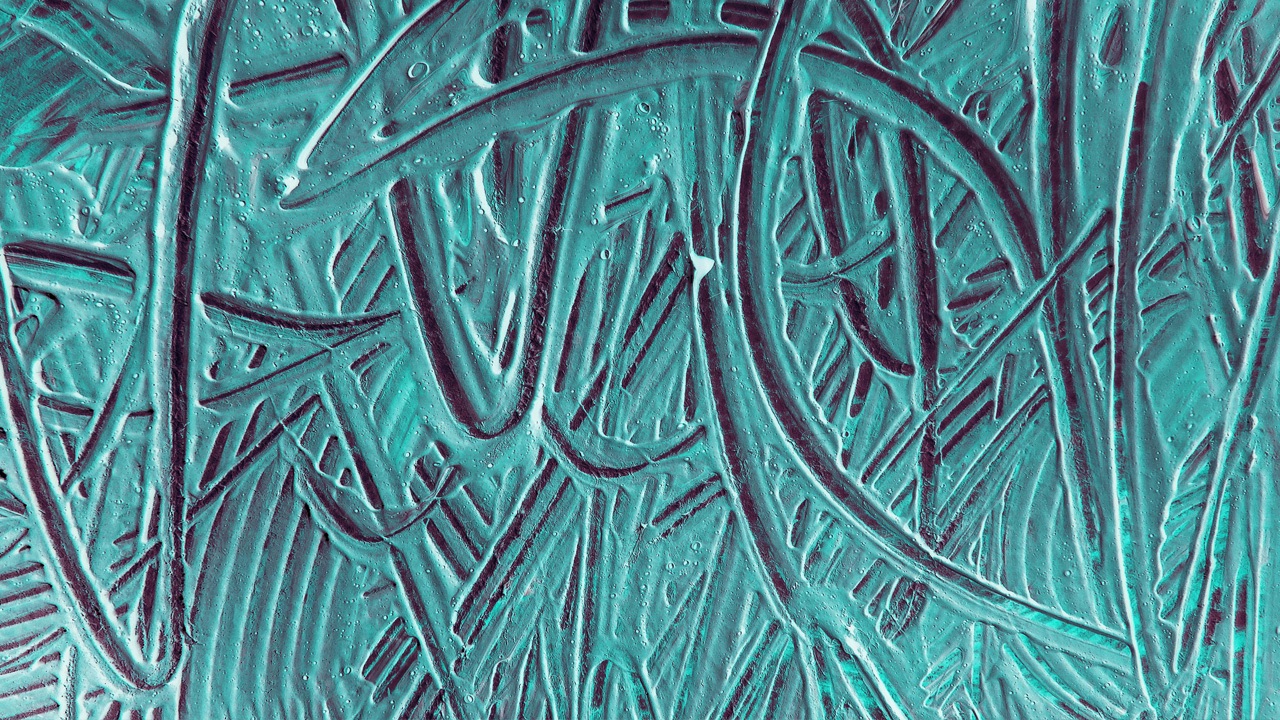
Long before a viewer understands what a painting is about, they register how it feels. Not with their hands, but with their eyes and body. They sense whether a surface is smooth or rough, layered or sparse, dense or open. Texture speaks quietly, yet powerfully. It carries emotion, energy, and intention in ways that go far beyond decoration.
For artists, texture is more than a physical element. It is a form of expression that reflects movement, mood, and presence. Thick, heavy applications of paint often communicate intensity, urgency, or emotional weight. Thin washes and delicate marks tend to feel gentle, restrained, or contemplative. Scraped surfaces may suggest struggle or revision. Built-up layers can reveal persistence, memory, and time. Through texture, the artist leaves behind a physical record of their inner state.
Texture is created through both material and gesture. The tools an artist chooses matter. A palette knife produces very different marks than a soft brush. Fingers, sponges, rags, and unconventional objects introduce irregularity and surprise. But equally important is how those tools are used. Fast, aggressive strokes convey a different emotional tone than slow, careful ones. Repeated patterns suggest meditation or control. Broken, uneven marks may reflect uncertainty or exploration. Every physical action becomes part of the emotional language of the work.
Layers are one of the most expressive aspects of texture. When paint is built gradually, traces of earlier decisions remain visible beneath the surface. These hidden histories add depth and complexity. They suggest growth, change, and resilience. A painting that reveals its layers invites the viewer into the process rather than presenting a polished façade. It communicates honesty and vulnerability through its surface.
Negative space and restraint also play an important role in textural expression. Not every area needs to be dense or complex. Smooth passages can offer rest and clarity. They allow textured areas to breathe and stand out. This balance between activity and stillness mirrors emotional rhythms in life. Periods of intensity are followed by calm. Expression is deepened through contrast.
While technique is important, authentic texture emerges from attention and presence. When artists are fully engaged with their materials, their surfaces become more alive. Hesitation often produces stiff, cautious marks. Confidence and curiosity create richer variation. Learning to trust the physical process allows texture to develop organically rather than being forced.
Many artists discover that their relationship with texture reflects their relationship with control. Some begin with tight, restrained surfaces and gradually loosen over time. Others start with wild expression and learn to introduce structure. Neither approach is better. Each represents a stage in self-discovery. As artists grow, their surfaces often evolve alongside their emotional maturity.
Texture also invites viewers into a sensory experience. Even without touching the work, people imagine how it would feel. Rough areas may feel abrasive or raw. Soft transitions may feel comforting. Heavy impasto can feel assertive and bold. Subtle layering can feel intimate and quiet. These imagined sensations deepen emotional connection and make the artwork more immersive.
Developing a personal textural language takes time. It requires experimentation, patience, and a willingness to make imperfect work. Some surfaces will feel overworked. Others will feel unresolved. Each teaches something. Over time, patterns emerge. Certain gestures become familiar. Certain materials feel like home. Slowly, a recognizable voice forms through surface alone.
When artists learn to use texture intentionally, their work gains presence and authenticity. Paintings become more than images. They become records of movement, breath, thought, and feeling. Through texture, artists leave visible traces of their humanity. They reveal not only what they see, but how they experience the world. In doing so, they create work that resonates on a deeply human level.
Lorem ipsum dolor sit amet, consectetur adipiscing elit. Cras sed sapien quam. Sed dapibus est id enim facilisis, at posuere turpis adipiscing. Quisque sit amet dui dui.
Stay connected with news and updates!
Join our mailing list to receive the latest news and updates from our team.
Don't worry, your information will not be shared.
We hate SPAM. We will never sell your information, for any reason.
