Creating Art on a Budget: How Part-Time Artists Can Stock Their Studio Affordably
Feb 22, 2026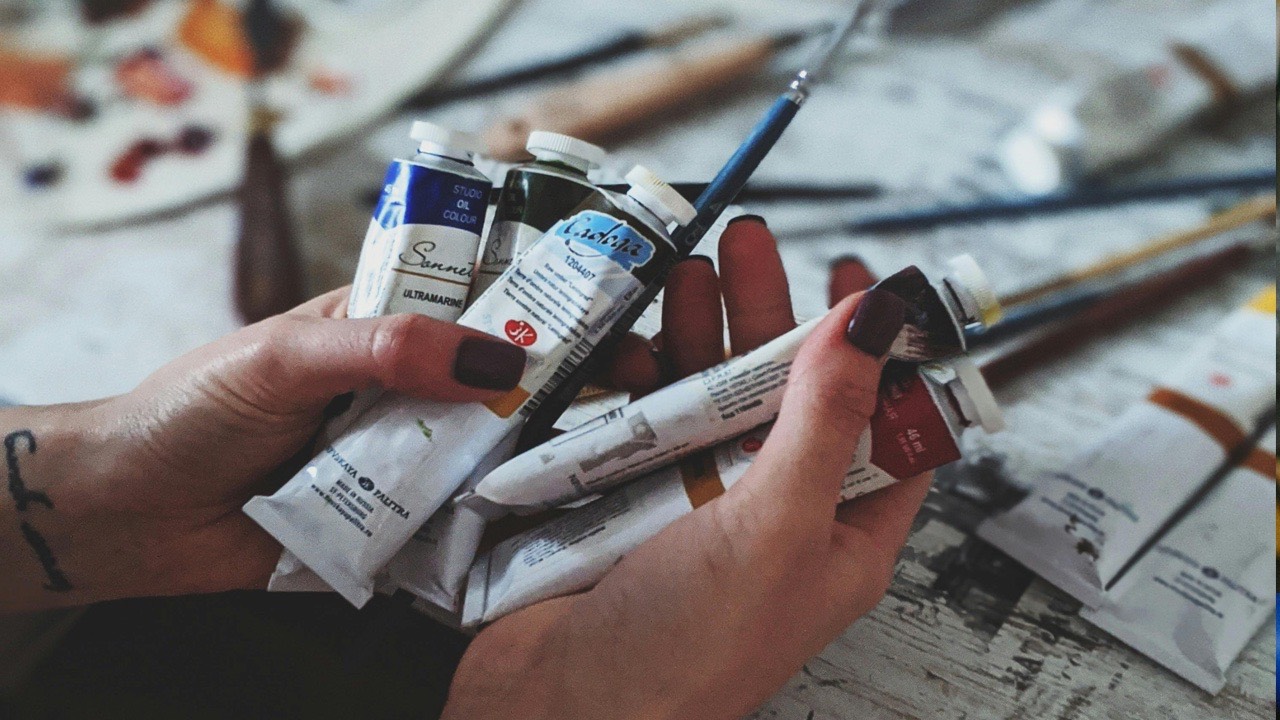
For many part-time artists, the desire to create is strong, but the belief that art requires expensive materials can become a quiet barrier. Walk into any art supply store and it is easy to feel overwhelmed by high prices and endless options. Over time, this can lead to hesitation, comparison, and unnecessary self-doubt. In reality, meaningful creative work does not depend on premium brands or perfect tools. It depends on curiosity, consistency, and a willingness to work with what is available.
Building an affordable studio begins with understanding your actual needs. Many artists accumulate supplies based on impulse rather than practice. A shelf full of rarely used materials often represents money that could have been spent more intentionally. Instead of buying everything at once, it is helpful to notice what you reach for most often. A small, reliable set of favorite tools will serve you better than a large collection of unused ones.
Student-grade and open-stock materials offer excellent value for part-time artists. While professional-grade supplies can be wonderful, they are not necessary for learning, exploration, or most personal work. Student-grade paints, pencils, and papers are designed to balance quality and affordability. Buying open-stock items instead of prepackaged sets also allows you to replace only what you use, reducing waste and long-term cost.
Paper is one of the most flexible and affordable foundations for creative practice. Sketchbooks, mixed-media pads, watercolor blocks, and loose sheets can be used across many techniques. Many artists benefit from having both “practice” paper for experimentation and slightly heavier paper for more finished work. This distinction removes pressure and encourages freedom when exploring new ideas.
Repurposing everyday materials can dramatically expand your studio without expanding your budget. Cardboard packaging, brown paper bags, junk mail, magazines, fabric scraps, and old books can all become part of collage and mixed-media work. Household items such as sponges, credit cards, forks, and toothbrushes can function as mark-making tools. These unconventional materials often lead to more inventive and personal results than standard supplies.
Thrift stores, clearance sections, and creative reuse centers are valuable resources for affordable materials. Many communities have secondhand shops that carry frames, canvases, fabrics, baskets, and storage containers at low cost. Some cities also operate nonprofit reuse centers that sell donated art and craft supplies for a fraction of retail prices. Exploring these spaces can feel like a creative treasure hunt.
Buying in stages helps prevent financial strain. Rather than stocking everything at once, artists can slowly build their collection over time. Purchasing one or two new items each month keeps expenses manageable while allowing skills and interests to evolve naturally. This gradual approach encourages thoughtful choices rather than reactive spending.
Sharing resources within creative communities can also reduce costs. Artists often have surplus materials that no longer fit their practice. Trading supplies, organizing swaps, or pooling resources for bulk purchases creates mutual support while strengthening relationships. Creativity thrives in environments where generosity is present.
Caring for materials extends their lifespan and protects your investment. Cleaning brushes properly, sealing paint containers, storing paper flat, and keeping tools organized reduces unnecessary replacement. Simple maintenance habits save money quietly over time and support a more sustainable practice.
Perhaps most important is releasing the belief that better supplies automatically produce better art. History and contemporary practice both show that powerful work can emerge from modest tools. Limitations often spark innovation. Working within constraints encourages problem-solving, adaptability, and originality. These qualities matter far more than brand names.
Stocking your studio affordably is ultimately about building trust in yourself rather than in products. It is about learning what truly supports your process and letting go of what does not. When your materials feel accessible rather than precious, you are more likely to use them freely. You experiment more. You take risks. You create more often. And in the end, that consistency is what shapes a meaningful artistic life.
Lorem ipsum dolor sit amet, consectetur adipiscing elit. Cras sed sapien quam. Sed dapibus est id enim facilisis, at posuere turpis adipiscing. Quisque sit amet dui dui.
Stay connected with news and updates!
Join our mailing list to receive the latest news and updates from our team.
Don't worry, your information will not be shared.
We hate SPAM. We will never sell your information, for any reason.
